New Jersey Car Accident Lawyer
Over $100M Recovered
Get a FREE case evaluation today

We Fight to Get You the Maximum Compensation
got hurt? get onal.
Verdicts & Settlements*
Our team is relentless in pursuing justice and compensation for our clients, using our expertise to deliver exceptional results.
$17.895M
Bus Accident
$5.00M
Brain Injury
$3.35M
Brain Injury
$2.50M
Medical Malpractice
A New Jersey car accident lawyer at Onal Injury Law represents individuals who have been seriously injured in collisions across the state. New Jersey's no-fault insurance system, verbal threshold rules, and modified comparative negligence standard create a legal landscape that directly affects what compensation may be available and how a claim must be built.
Our firm handles car accident cases involving significant injuries, disputed liability, and complex insurance coverage issues. We approach each case with the same preparation and discipline that defines our work across every practice area. If you or a family member were injured in a crash, speaking with an NJ car accident attorney may help clarify what options exist under your specific policy and circumstances.
Call our team at 1-800-LAW-GOATS to discuss your case. Our attorneys answer questions about coverage, liability, and next steps during a free initial consultation.
Why Choose Onal Injury Law as Your NJ Car Accident Attorney
Our firm was built for serious cases. We are intentionally selective about the cases we take, and that selectivity allows us to prepare each one with the attention it requires. Our approach reflects the values that define our practice:
- Preparation from day one: We begin building the evidentiary record immediately, coordinating with medical providers, preserving evidence, and identifying every applicable source of coverage.
- Honest communication throughout: We provide realistic assessments of case value and timeline. Our clients know who is handling their case and what to expect at each stage.
- Trial readiness as a standard: Every case we accept is prepared as though it will go to trial. That level of preparation strengthens settlement negotiations and protects the client's position if the case does proceed to a courtroom.
- Accountability at every level: A single point of ownership means our clients always know who is responsible for their case and how to reach them.
Serious injuries demand more than representation. They demand a higher standard.
How New Jersey's No-Fault Insurance System Affects Your Case
New Jersey operates under a no-fault insurance framework. After a collision, each driver typically turns to their own Personal Injury Protection (PIP) insurance for medical expenses and certain financial losses, regardless of who caused the accident. This system is designed to streamline the claims process and reduce litigation.
However, fault still matters. The no-fault system covers certain economic losses but does not address non-economic damages, such as pain and suffering. Whether you may pursue those damages depends on the tort option you selected on your insurance policy.
The Verbal Threshold and Your Right to Sue for Pain and Suffering
When purchasing auto insurance in New Jersey, policyholders choose between two tort options under N.J.S.A. 39:6A-8:
The limitation on lawsuit option, commonly called the verbal threshold, restricts the policyholder's ability to sue for non-economic damages unless the injury falls into one of six categories defined by statute:
- Death
- Dismemberment
- Significant disfigurement or scarring
- Displaced fractures
- Loss of a fetus
- A permanent injury that has not healed to normal function and will not heal with further treatment
The alternative, the no limitation on lawsuit or zero threshold option, preserves the full right to sue for pain and suffering regardless of injury severity. This option carries a higher premium, so many drivers select the verbal threshold without fully understanding the trade-off.
If your policy includes the verbal threshold, your attorney must demonstrate that your injury meets one of these six statutory categories. A treating physician's certification, supported by objective clinical evidence such as MRI or X-ray results, is required. This certification must be provided to the opposing party within 60 days of the filing of the answer to the complaint.
PIP Coverage and What It Does and Does Not Pay
PIP coverage pays for medical expenses, a portion of lost income, and essential services you may not be able to perform while recovering. Many New Jersey drivers carry PIP medical limits below $250,000 (often as low as $15,000), and policyholders can choose higher limits up to $250,000 depending on the policy.
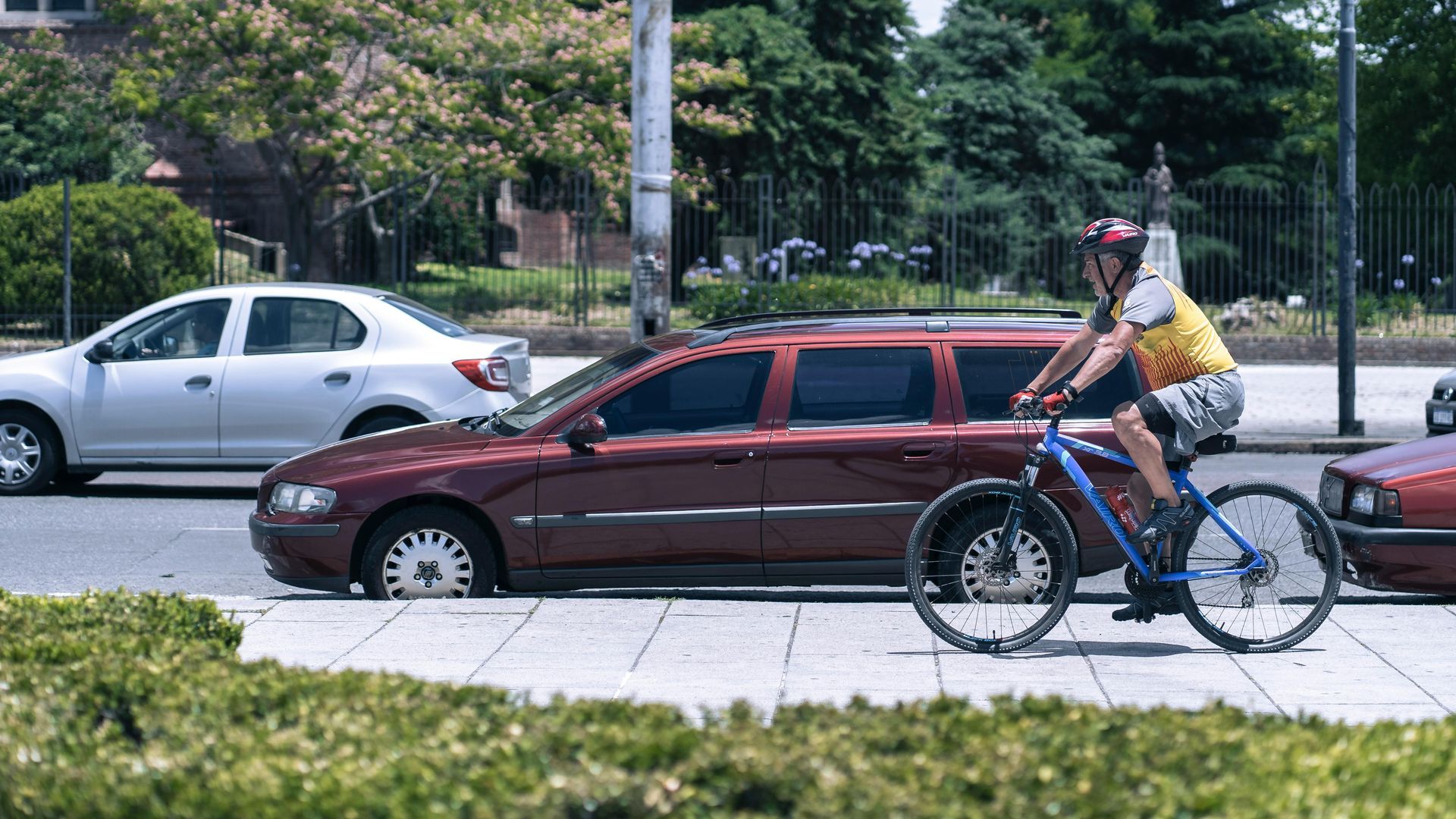
PIP does not cover property damage, non-economic losses, or medical expenses that exceed the policy limit. Pedestrians and cyclists may still have access to PIP benefits, often through their own auto policy or a household member’s policy, and the coverage source depends on the circumstances. Determining the boundaries of PIP coverage is a critical step in determining what additional claims may be available.

Types of Car Accidents Our NJ Car Accident Attorneys Handle
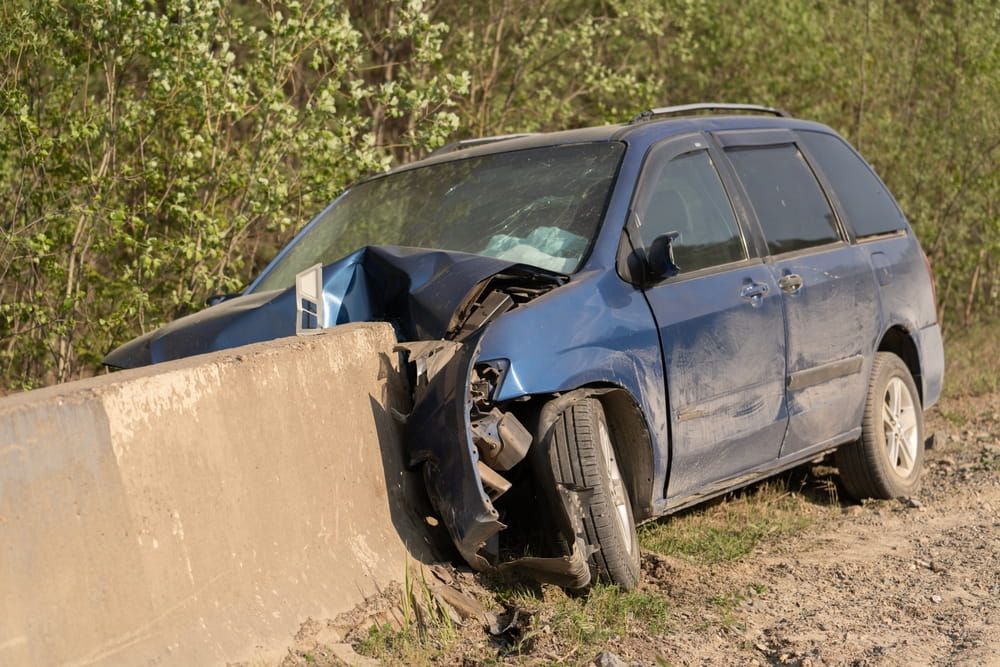
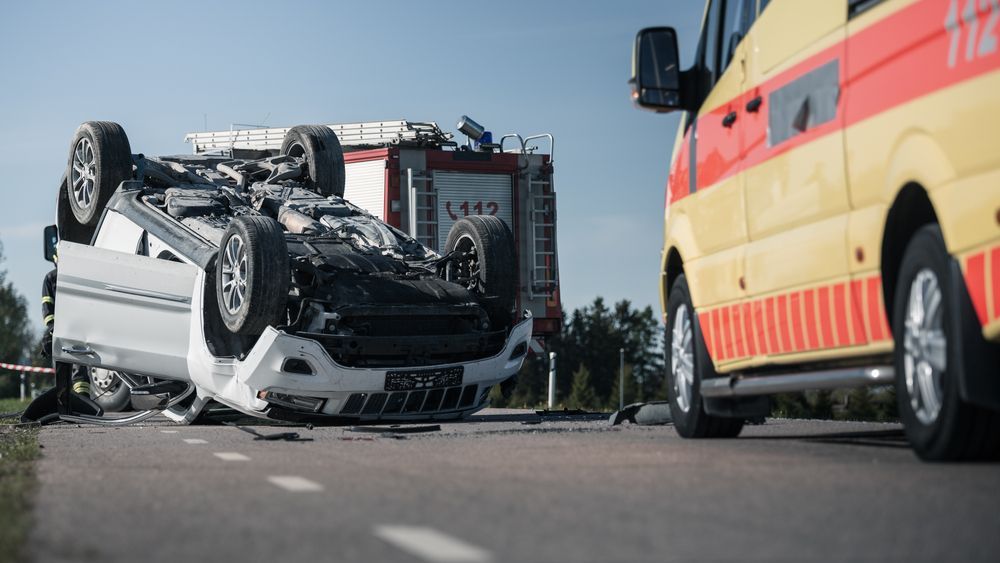
The type of collision affects both the injury profile and the legal strategy. Different accident types produce different patterns of force, damage, and liability. Our attorneys evaluate the mechanics of each collision to build the strongest possible case.
Rear-End Collisions
Rear-end accidents are the most common type of car crash on New Jersey roads. These collisions often occur in stop-and-go traffic, at intersections, and on highway on-ramps. Injuries frequently involve the cervical spine, and symptoms may not appear immediately.
In most rear-end collisions, the trailing driver bears primary responsibility. However, comparative negligence may apply if the lead vehicle stopped abruptly without cause or had non-functioning brake lights. Documenting the scene, obtaining the police report, and preserving dashcam footage all strengthen the liability case.
Head-On Collisions
Head-on crashes carry some of the highest injury severity rates. They commonly occur on two-lane roads, at highway median crossings, and when a driver crosses the center line due to distraction, impairment, or fatigue.
The combined force of two vehicles moving toward each other magnifies the impact. These cases often involve traumatic brain injuries, spinal cord damage, and multiple fractures. Liability is typically clearer in head-on collisions, but the severity of the injuries makes thorough damage documentation essential.
T-Bone and Intersection Accidents
Side-impact or T-bone collisions most often occur at intersections when one driver fails to yield, runs a red light, or misjudges a left turn. The side panels of a vehicle offer less structural protection than the front or rear, and occupants on the struck side face elevated injury risk.
These cases frequently involve disputed liability. Both drivers may claim they had the right of way. Traffic camera footage, witness statements, and accident reconstruction analysis often play a decisive role in establishing fault.
What Types of Compensation May Be Available After a Car Accident in NJ?
Car accident claims in New Jersey may involve two broad categories of damages: economic and non-economic. The distinction matters because your insurance policy's tort option directly controls which categories are available to you.
Economic damages cover measurable financial losses tied to the accident. These are available regardless of whether your policy includes the verbal threshold or the zero threshold option. Common economic damages include:
- Past and future medical expenses, including surgery, rehabilitation, and prescription costs
- Lost wages from time missed during recovery
- Diminished earning capacity if the injury limits your ability to work long-term
- Out-of-pocket costs such as transportation to medical appointments
- The cost of household services you may no longer be able to perform during recovery
Economic damages are recoverable in every car accident claim where liability is established.
Non-economic damages address losses that do not carry a specific dollar amount. Access to these damages depends on your tort selection:
- Physical pain and ongoing discomfort related to the injury
- Emotional distress and psychological impact
- Loss of enjoyment of life and inability to participate in activities you valued before the accident
- Loss of consortium, which addresses the impact on your relationship with a spouse or partner
If your policy includes the zero threshold, you may pursue non-economic damages for any injury caused by the accident. If your policy includes the verbal threshold, non-economic damages are only available when the injury meets one of the six statutory categories under N.J.S.A. 39:6A-8. This is where the tort option you selected when purchasing your policy has its greatest impact on the overall value of the claim.
How Modified Comparative Negligence Works in New Jersey
New Jersey follows a modified comparative negligence standard under N.J.S.A. 2A:15-5.1. Under this rule, a jury assigns a percentage of fault to each party involved in the accident. The plaintiff may recover damages as long as their share of fault does not exceed 50%. At 51% or more, recovery is barred entirely.
When fault is shared, the plaintiff's award is reduced proportionally. Defense attorneys raise comparative negligence frequently, making it a central issue in cases where liability is disputed.
What Determines the Value of a Car Accident Claim in NJ?
No two car accident claims produce the same result. The value of a claim depends on several factors specific to the individual case.
These factors include:
- The severity and permanence of the injuries
- The total cost of past and future medical treatment
- Lost income and diminished earning capacity
- Whether the plaintiff's insurance policy includes the verbal threshold or the zero threshold option
- The degree of fault assigned to each party under comparative negligence
- The quality of the medical documentation and the strength of expert testimony
Our attorneys evaluate each of these factors during the initial case review. A claim involving a permanent spinal injury with clear liability and zero threshold coverage presents a fundamentally different damages picture than a soft-tissue injury with disputed fault and a verbal threshold policy.
How it works
Getting started is simple. No charge unless you win
Step 1
Submit
your claim
With a no-cost case assessment, it's simple to submit your case with John Onal.
Step 2
We proceed
Our committed team starts investigating your claim promptly.
Step 3
We fiercely defend your rights.
If we accept your case, our team will vigorously pursue the results you deserve.
FAQ for New Jersey Car Accident Lawyer
How Much Is My Car Accident Case Worth in NJ?
The value depends on the severity of the injuries, the cost of treatment, lost income, the applicable tort threshold, and the degree of fault. Cases involving permanent injuries and zero threshold coverage typically carry higher values than soft-tissue injuries subject to the verbal threshold. An attorney may provide a more specific assessment after reviewing the medical records, insurance policy, and facts of the collision.
How Long Do I Have to File a Car Accident Lawsuit in New Jersey?
With some exceptions, New Jersey's statute of limitations for personal injury claims is two years from the date of the accident under N.J.S.A. 2A:14-2. Claims against government entities require a notice of claim within 90 days. Missing either deadline may eliminate the right to pursue compensation.
How Long Does a Car Accident Case Take in New Jersey?
The timeline for a car accident case in New Jersey depends on the complexity of the injuries, the clarity of liability, and whether the case resolves through negotiation or proceeds to litigation. Cases involving severe injuries, multiple defendants, or disputed coverage issues may take longer. Our attorneys provide realistic timeline assessments during the initial consultation and keep clients informed at each stage.
What if I Was Partially at Fault for the Accident?
New Jersey's modified comparative negligence rule allows recovery as long as your fault does not exceed 50%. Your damages are reduced by your percentage of responsibility. At 51% or more, recovery is barred. The defense frequently raises shared fault, making early evidence preservation and thorough documentation critical.
Do I Have to Go to Court for a Car Accident Case in NJ?
Most car accident claims resolve through negotiation or settlement before trial. If a fair resolution is not reached, the case may proceed through court-required ADR (mediation or arbitration) and, if necessary, to trial before a jury. Our attorneys prepare every case for trial so that our clients are in the strongest possible position regardless of how the case resolves.
Serious Collisions Demand Attorneys Who Prepare Like It
A car accident disrupts more than your vehicle. It disrupts your income, your daily routine, and your sense of security. While you manage doctors' appointments, insurance calls, and time away from work, the legal process moves forward with or without you.
Our role is to step into that gap. At Onal Injury Law, we take ownership of the legal process from the first phone call, handling the investigation, the insurance disputes, and the preparation that serious claims demand. We do not take every case that comes through the door. The ones we take, we prepare as though a jury will hear them.
Call us at 1-800-LAW-GOATS. Our team is available to review your case, explain your coverage options, and outline a clear path forward. Opus 4.6
Blog







Let’s talk about your case
Fill out the form to set up a free consultation!